The Secret to Authentic Margherita Pizza at Home: Naples in Your Kitchen (2026 Masterclass)
Dreaming of that perfect, bubbly crust, the sweet tang of San Marzano tomatoes, and the creamy melt of fresh mozzarella, all kissed by fragrant basil? You’re not alone. The quest for authentic Margherita Pizza at Home has captivated food enthusiasts worldwide. While it might seem daunting to recreate a Neapolitan masterpiece in your kitchen, this 2026 masterclass will reveal the secrets to achieving a truly exceptional Margherita pizza that rivals your favorite pizzeria. Forget bland, soggy imitations; we’re diving deep into the history, the science, and the foolproof techniques that will bring the heart of Naples right to your dinner table.
The Queen of Pizzas: A Brief History of Margherita Pizza
The story of Margherita pizza is as rich and vibrant as its flavors. Legend has it that in 1889, during a visit to Naples, Queen Margherita of Savoy was presented with a pizza created by pizzaiolo Raffaele Esposito. This patriotic pizza featured toppings that mirrored the colors of the Italian flag: red (tomato), white (mozzarella), and green (basil). The Queen was delighted, and thus, the Margherita Pizza was born, becoming an enduring symbol of Italian culinary excellence.
Its simplicity is its genius. Unlike other pizzas laden with numerous toppings, the Margherita celebrates the purity of its few, high-quality ingredients. This focus on quality is precisely what we’ll emphasize in making your Margherita Pizza at Home.
Why Making Margherita Pizza at Home is a Game-Changer
- Unmatched Freshness: Control every ingredient, from the flour to the basil.
- Customizable Perfection: Adjust the salt, the char, the chewiness to your exact preference.
- Culinary Skill: Mastering pizza dough is a rewarding skill that opens up a world of possibilities.
- Cost-Effective: Enjoy gourmet pizza for a fraction of the price of takeout.
- Pure Joy: There’s nothing quite like pulling a perfectly baked pizza from your own oven.
Ingredients: The Holy Trinity of Neapolitan Pizza
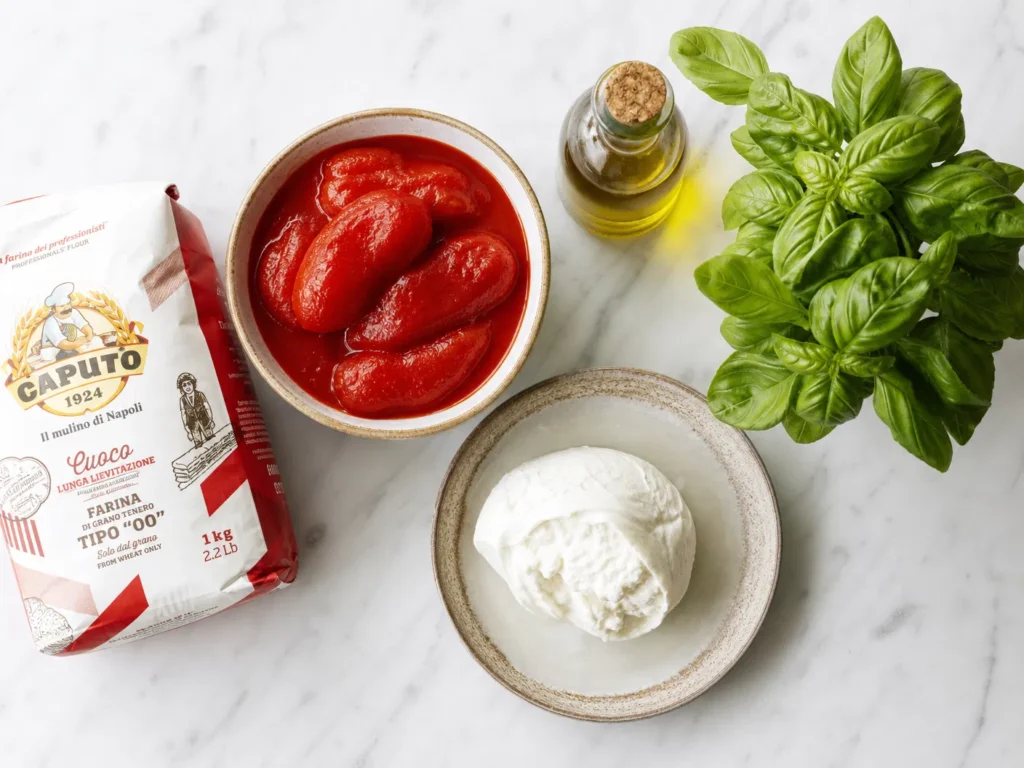
Making the best Margherita Pizza at Home hinges on selecting the right ingredients. Quality over quantity is the mantra here.
| Ingredient | Quantity | Notes |
| For the Dough (makes 2 pizzas) | ||
| Tipo 00 Flour | 300g (2.5 cups) | Essential for authentic Neapolitan crust. All-purpose can be substituted, but texture will differ. |
| Water (lukewarm) | 200ml (3/4 cup + 1 tbsp) | High hydration for a soft, airy crust. |
| Active Dry Yeast | 1/2 tsp | Or 1/4 tsp instant yeast. |
| Fine Sea Salt | 7g (1.5 tsp) | Enhances flavor and controls fermentation. |
| Extra Virgin Olive Oil | 1 tbsp | Optional, for a slightly richer dough. |
| For the Toppings (per pizza) | ||
| San Marzano Tomatoes | 1 (28oz) can | Crushed by hand or pulsed briefly. Do NOT cook. |
| Fresh Mozzarella (Fior di Latte) | 125g (4.5 oz) | Drained and torn into small pieces. Avoid low-moisture shredded. |
| Fresh Basil Leaves | 6-8 leaves | Tear or leave whole. Add after baking for best aroma. |
| Extra Virgin Olive Oil | 1 tbsp | For drizzling before and after baking. |
| Fine Sea Salt | Pinch | To taste, for the sauce. |
Essential Kitchen Tools: Your Pizzeria Arsenal
To achieve that perfect crust for your Margherita Pizza at Home, a few key tools are highly recommended:
- Pizza Stone or Steel: Crucial for retaining and transferring high heat to the dough, creating a crispy bottom crust and a quick bake.
- Pizza Peel: For easily transferring the pizza to and from the hot oven.
- High-Heat Oven: Your oven should be preheated to its maximum temperature (usually 500-550°F or 260-290°C).
- Large Mixing Bowl: For dough preparation.
- Kitchen Scale: For precise ingredient measurements, especially for flour and water.
Foolproof Step-by-Step Directions: Your Margherita Pizza Masterclass
This recipe focuses on a 24-hour cold ferment for superior flavor and texture.
Part 1: The Dough (Prepare 24-48 hours in advance)
- Activate Yeast: In a large mixing bowl, combine lukewarm water and yeast. Let sit for 5-10 minutes until foamy.
- Mix Dough: Add flour and salt to the yeast mixture. If using, add olive oil. Mix with a spoon or your hands until a shaggy dough forms.
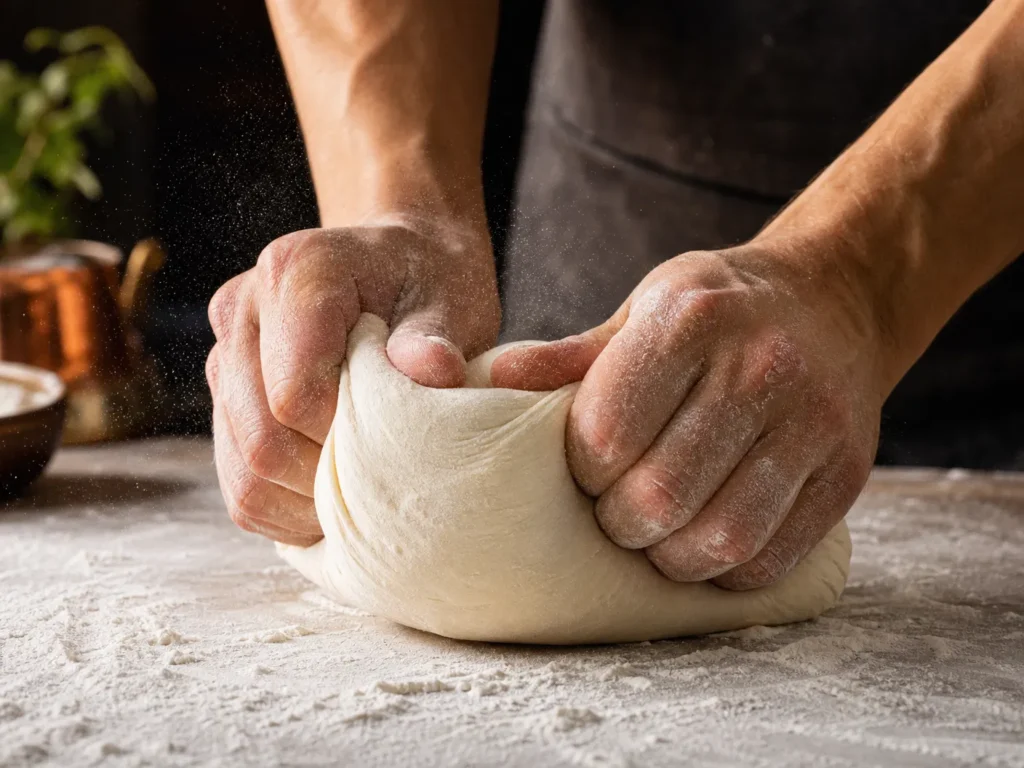
- Knead: Turn the dough out onto a lightly floured surface. Knead for 8-10 minutes until smooth, elastic, and no longer sticky. It should pass the windowpane test (stretch a small piece thin enough to see light through it without tearing).
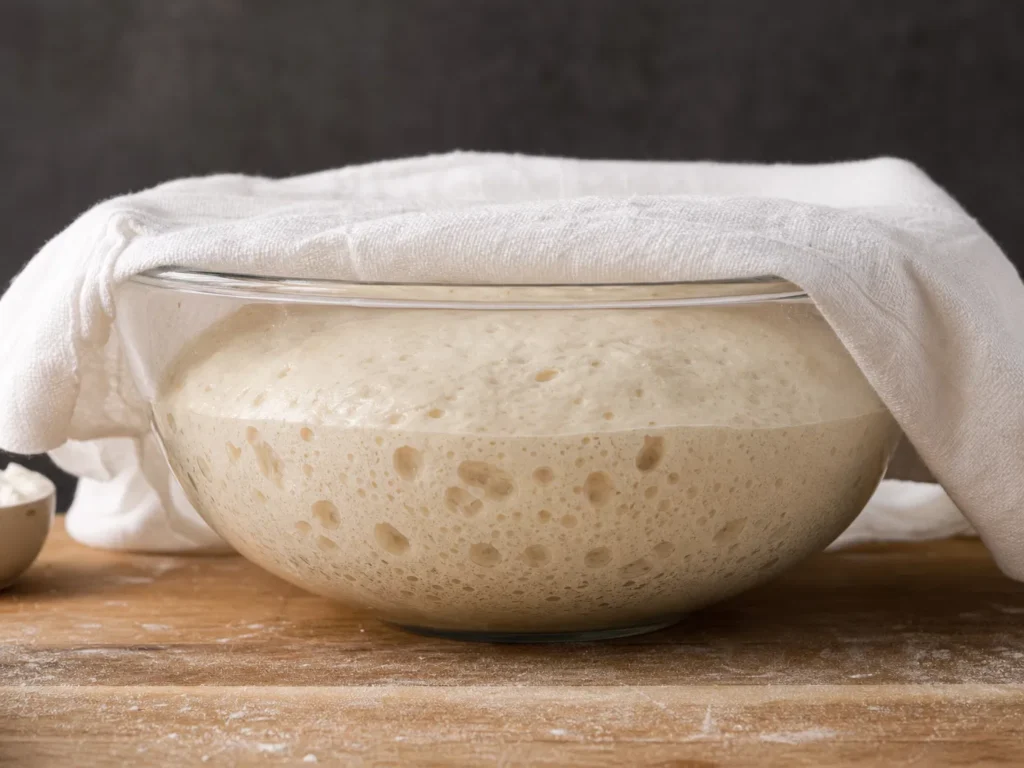
- First Rise (Bulk Fermentation): Form the dough into a ball, place it in a lightly oiled bowl, cover with plastic wrap, and let it rise at room temperature for 1-2 hours, or until doubled in size.
- Cold Fermentation: Gently punch down the dough, divide it into two equal balls. Place each ball in a separate lightly oiled container, cover tightly, and refrigerate for 24-48 hours. This slow, cold ferment develops incredible flavor and texture.
Part 2: Assembly & Baking (On Pizza Day)
- Preheat Oven & Stone: At least 1 hour before baking, place your pizza stone or steel on the top rack of your oven. Preheat the oven to its highest possible temperature (500-550°F / 260-290°C).
- Prep Dough: Remove dough balls from the fridge 1-2 hours before baking to bring them to room temperature. Lightly flour your work surface and gently stretch one dough ball into a 10-12 inch circle, leaving a slightly thicker rim for the crust. Avoid using a rolling pin, as it pushes out too much air.
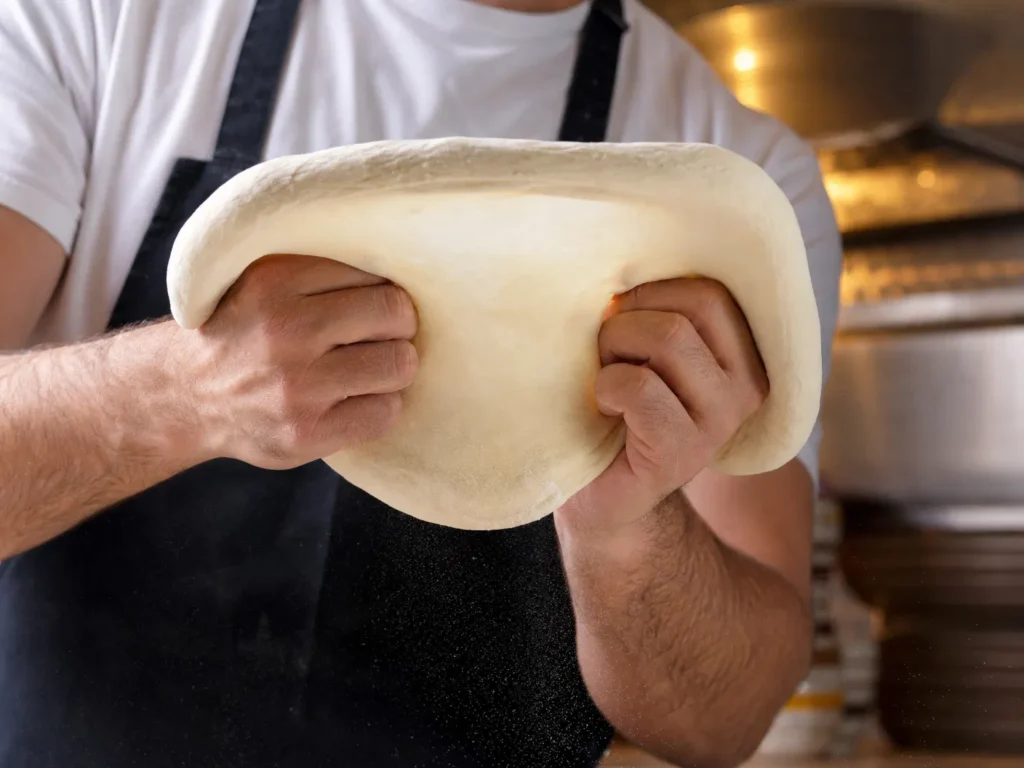
- Prepare Sauce: Open the can of San Marzano tomatoes. Crush them by hand into a bowl. Add a pinch of salt. Do NOT cook the sauce; the fresh flavor is key.
- Drain Mozzarella: Tear the fresh mozzarella into small, bite-sized pieces. Place them on paper towels and gently press to remove excess moisture. This prevents a soggy pizza.
- Assemble Pizza: Lightly dust your pizza peel with semolina flour or regular flour. Carefully transfer the stretched dough onto the peel. Spread 3-4 tablespoons of the crushed tomato sauce evenly over the dough, leaving a 1-inch border for the crust.
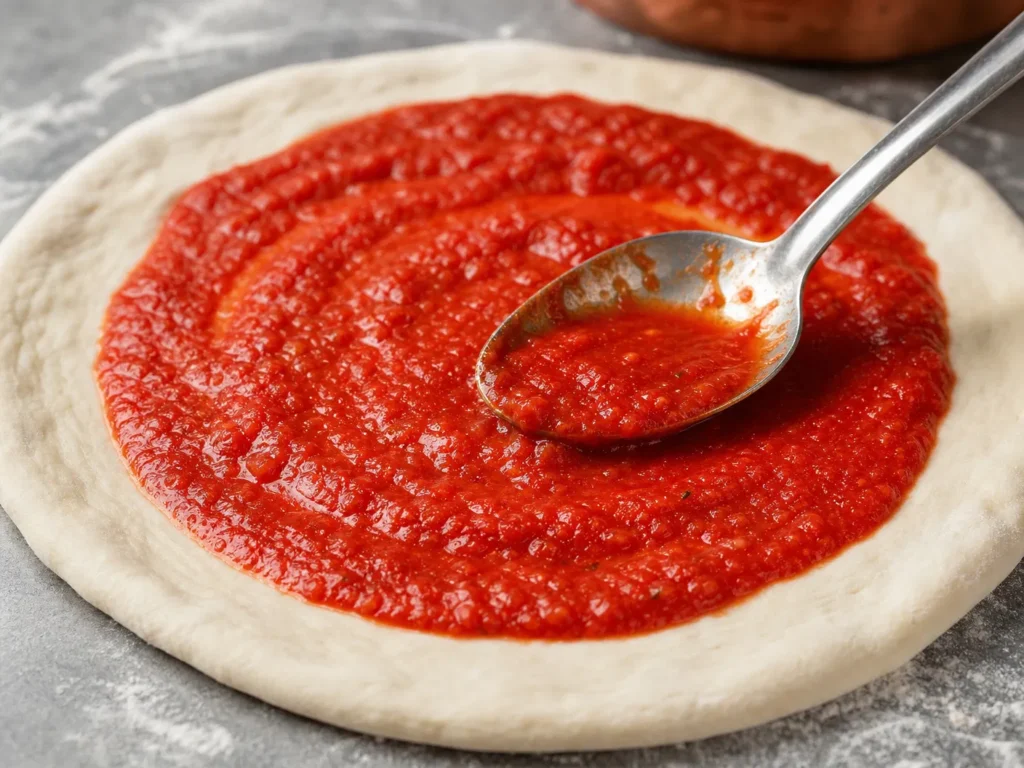
- Add Cheese & Oil: Distribute the drained mozzarella pieces over the sauce. Drizzle lightly with extra virgin olive oil.
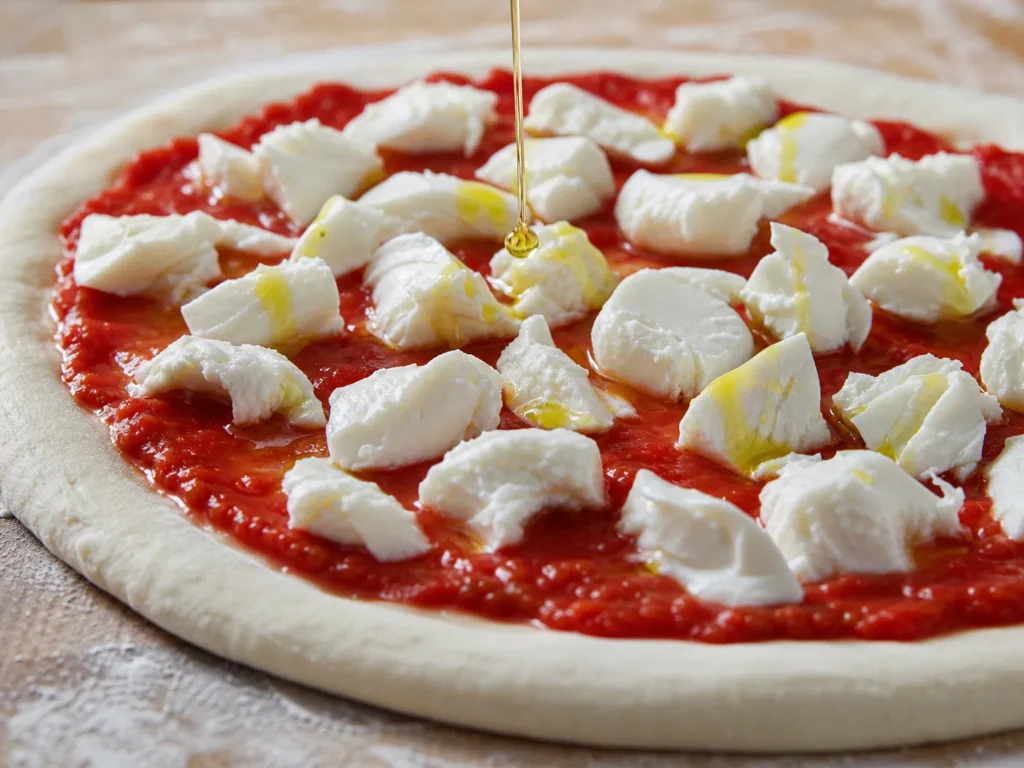
- Bake: Carefully slide the pizza from the peel onto the preheated pizza stone in the oven. Bake for 6-10 minutes, or until the crust is golden brown and puffed, with charredspots (often called ‘leopard spots’), and the cheese is bubbly and melted.
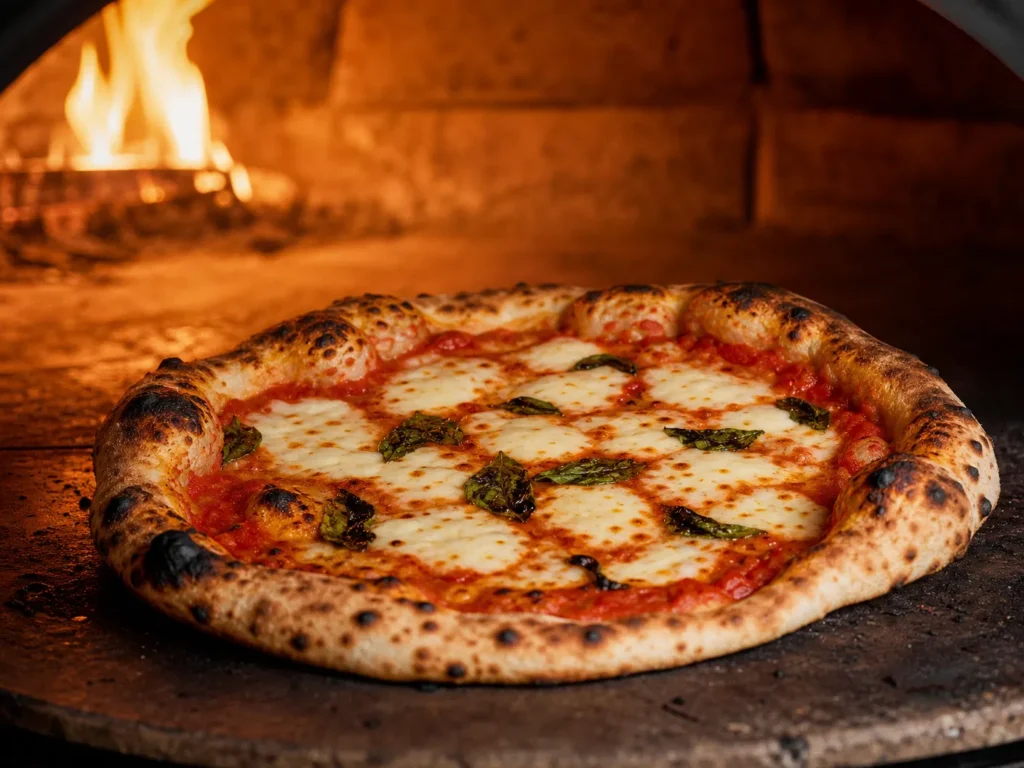
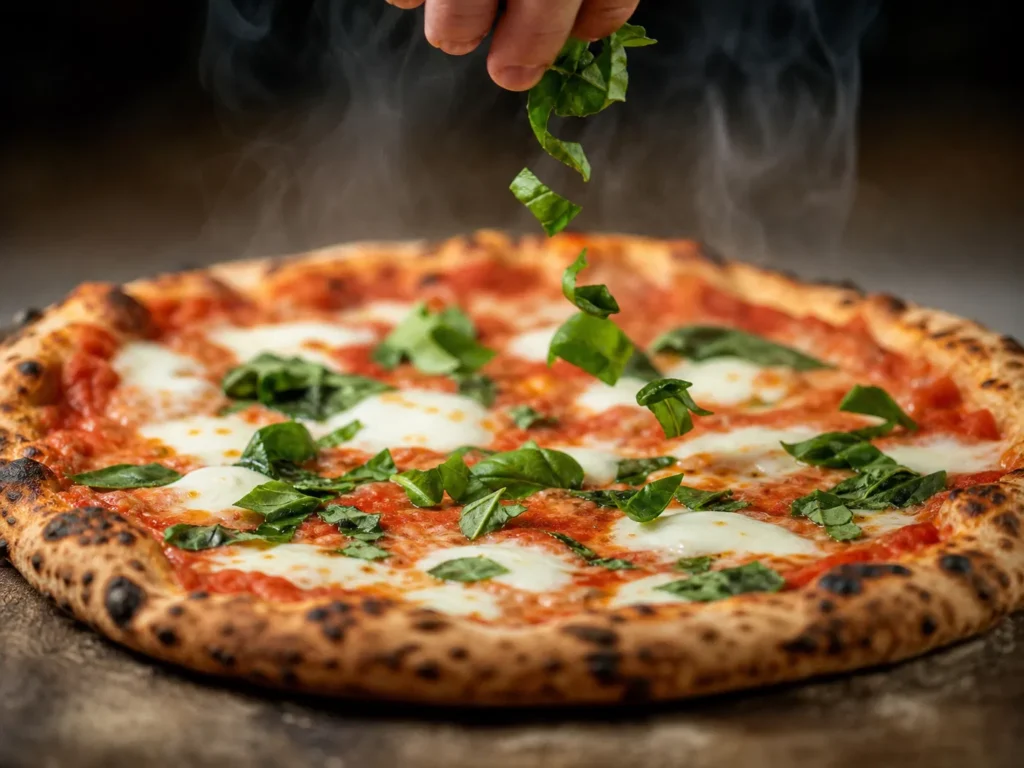
- Finish with Basil: Once out of the oven, immediately scatter fresh basil leaves over the hot pizza. The residual heat will gently wilt the basil, releasing its aromatic oils without cooking it. Slice and serve immediately.
The “Soggy Pizza” Fix: Expert Tips for a Perfect Crust
One of the biggest challenges when making Margherita Pizza at Home is avoiding a soggy crust. Here are the secrets:
- High Heat is Key: Ensure your oven and pizza stone/steel are preheated for at least an hour at the highest possible temperature. This creates a thermal shock that crisps the bottom crust quickly.
- Drain Mozzarella: Fresh mozzarella contains a lot of water. Always tear it and let it drain on paper towels for at least 15-30 minutes before using.
- Don’t Over-Sauce: A thin, even layer of sauce is all you need. Too much sauce will make the pizza wet.
- No-Cook Sauce: Authentic Neapolitan pizza uses uncooked tomato sauce. Cooking it beforehand adds unnecessary moisture.
- Use a Pizza Stone/Steel: This is non-negotiable for a crispy bottom crust in a home oven.
Frequently Asked Questions (FAQs)
Q: Can I use all-purpose flour instead of Tipo 00?
A: Yes, you can, but the texture will be slightly different. Tipo 00 flour is very finely milled and has a specific protein content that contributes to the classic Neapolitan crust. All-purpose flour will still make a good pizza, but it might be a bit chewier and less airy.
Q: How do I know if my yeast is active?
A: When you combine the yeast with lukewarm water, it should become foamy within 5-10 minutes. If it doesn’t, your yeast might be old or dead, and you should get new yeast.
Q: Can I make the dough ahead of time?
A: Absolutely! The cold fermentation step (24-48 hours in the fridge) is crucial for developing complex flavors and a better texture. You can even freeze dough balls for up to a month; just thaw them in the fridge overnight and bring to room temperature before stretching.
Q: My pizza is sticking to the peel. What should I do?
A: Ensure your pizza peel is well-dusted with semolina flour or regular flour. Work quickly when assembling the pizza on the peel. Give the peel a gentle shake before sliding the pizza into the oven to ensure it moves freely. If it sticks, lift the edge and add more flour underneath.
Conclusion
Mastering Margherita Pizza at Home is a culinary journey that is incredibly rewarding. By focusing on high-quality ingredients, understanding the role of proper dough fermentation, and utilizing the right techniques, you can transform your kitchen into a true Neapolitan pizzeria. This iconic pizza, with its simple yet profound flavors, is more than just food—it’s an experience. So, gather your ingredients, fire up your oven, and prepare to savor the taste of authentic Italy, right from your own home. Buon appetito! If You Like This Article Then You can Check out our Other Recipe Article called Jamaican Sweet Potato Pudding Recipes