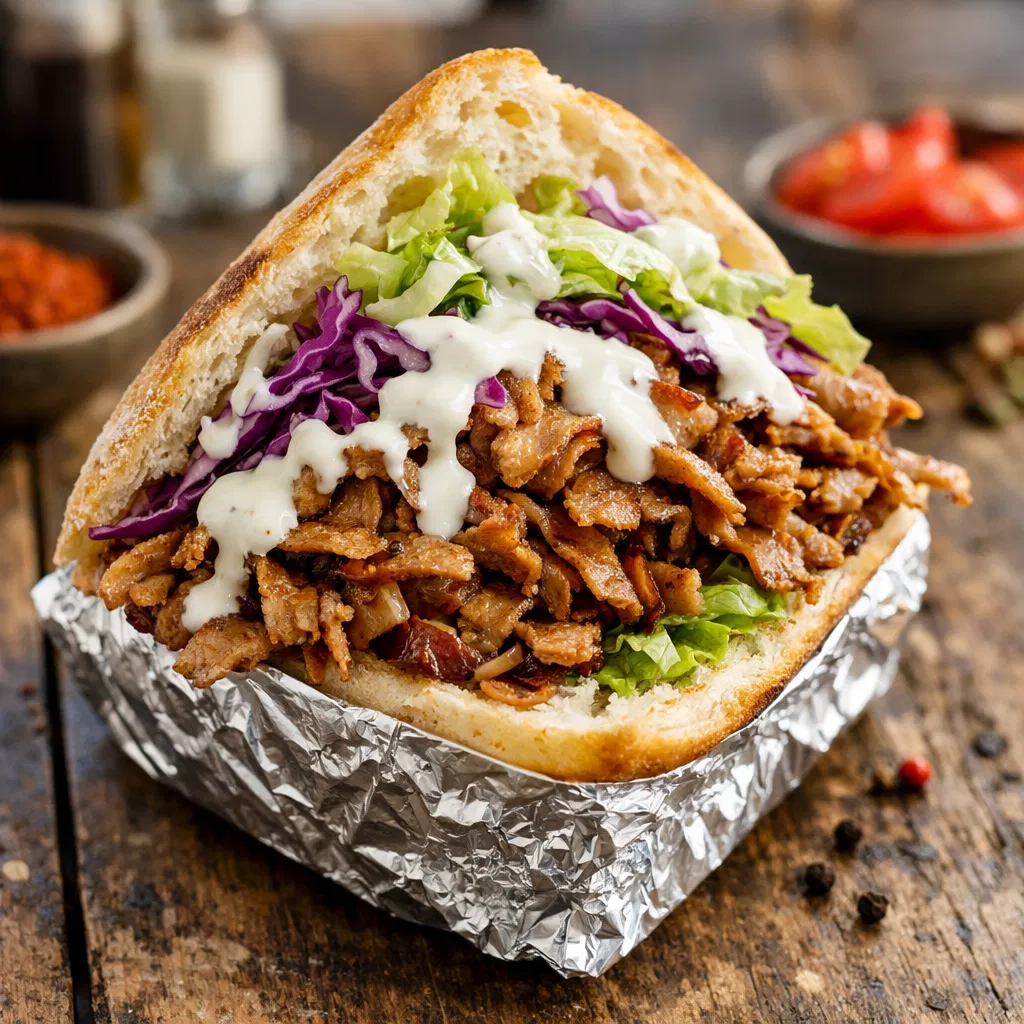
Making Authentic German Döner Kebab at Home in 2026
Welcome back to my kitchen, fellow food explorers! If you have ever walked the streets of Berlin, Munich, or Hamburg, you know that the irresistible aroma of roasting meat and toasted bread is the true heartbeat of German street food. Today, we are mastering the legendary German Döner Kebab—a dish that has officially overtaken Currywurst as Germany’s most beloved fast food.
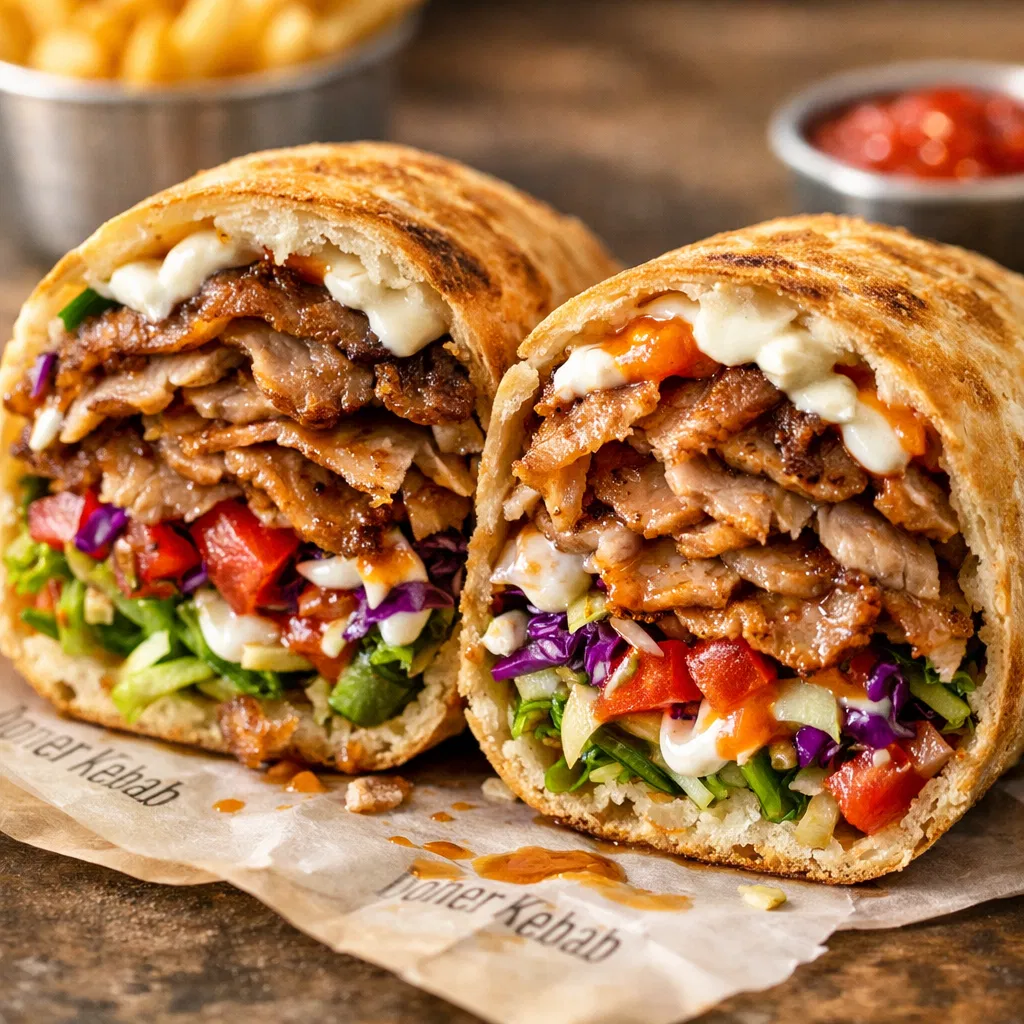
A real German Döner is a masterpiece of balance: the crunch of the toasted Fladenbrot, the savory depth of thinly sliced marinated meat, the freshness of crisp salad, and the signature trio of creamy, bold sauces. It is not just a sandwich; it is a cultural icon wrapped in foil.
The Rich History of German Döner Kebab
The German Döner Kebab, while Turkish in origin, found its unique identity and immense popularity in Germany. It was Turkish guest workers in Berlin during the 1970s who adapted the traditional vertical rotisserie meat dish to suit German tastes, serving it in a large, quartered flatbread (Fladenbrot) with fresh salad and a variety of sauces. This innovation transformed it from a simple meat dish into a portable, complete meal, quickly becoming a staple of German fast-food culture. Today, it’s estimated that over 2 million German Döner kebabs are sold daily in Germany alone, a testament to its widespread appeal and cultural integration.
Why This German Döner Kebab Recipe Works
Hi, my name is Tim Cavin. Having lived and traveled through Germany, I have spent countless hours observing the masters behind the kebab counters (the Döner-Männer). I have deconstructed the spice blends and tested dozens of sauce ratios to bring you a recipe that captures that authentic “Berlin style” flavor in your own home kitchen.
This recipe is often described as: “The perfect recreation of the Berlin street food experience, balancing savory meat with the iconic trio of German kebab sauces.”
Whether you are craving a taste of your last European vacation or simply want to elevate your sandwich game, this comprehensive guide will walk you through every professional secret.
| Cuisine | Prep Time | Cook Time | Servings (approx.) |
| German-Turkish | 45 minutes | 1 hour | 4-6 |
A Deep Dive into the Essential Components
Authentic German Döner Kebab is different from the traditional Turkish version. In Germany, the sauces are the stars, and the bread is almost always a quartered, toasted sesame-crusted loaf called Fladenbrot. Let’s break down the layers that make this dish world-famous.
Ingredients
To achieve that restaurant-quality result, we will focus on the three pillars: the meat, the bread, and the iconic sauces. The quality and preparation of each component are crucial for an authentic experience.
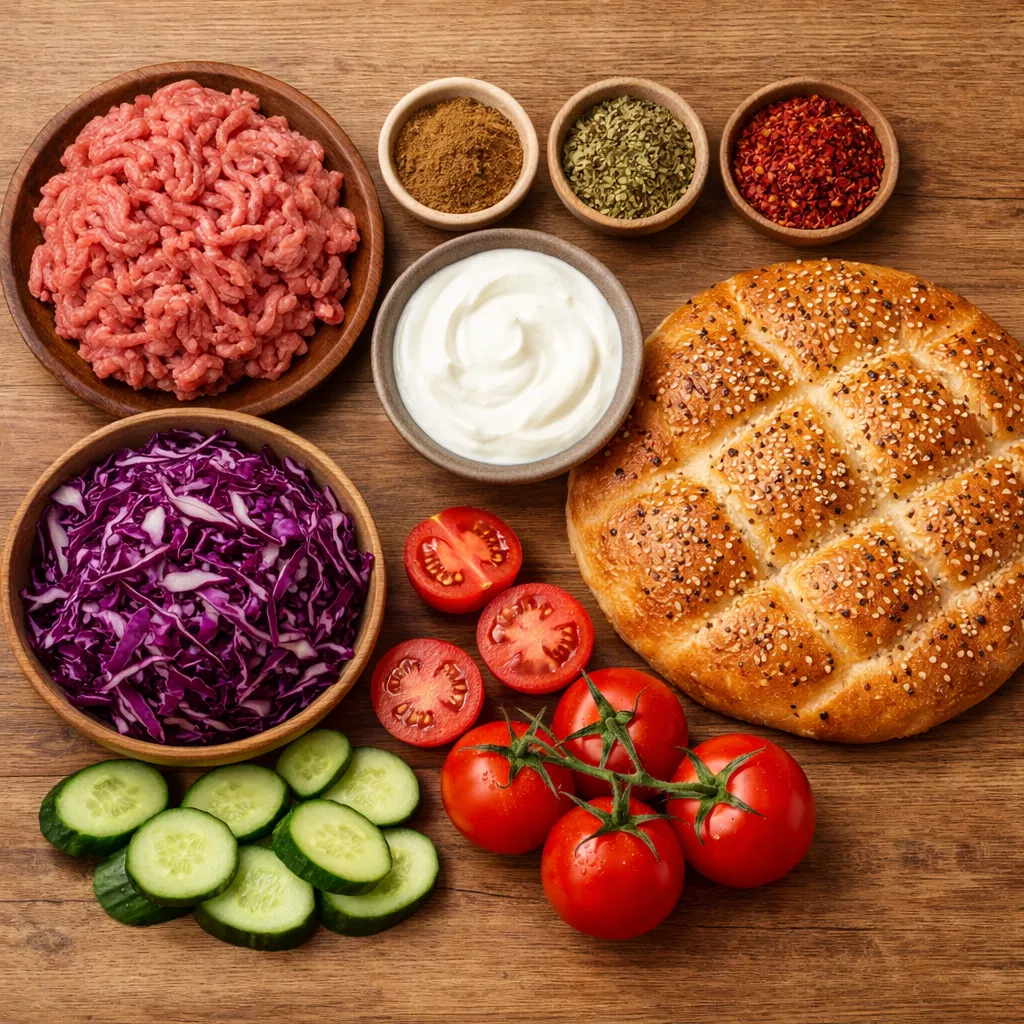
The Döner Meat & Bread Table
| Amount | Unit | Name | Notes |
| 1.5 | lbs | Ground Beef/Lamb | A 50/50 mix is traditional. Use 20% fat for maximum juiciness. If lamb is unavailable, all beef (80/20 blend) works well. |
| 1 | large | Fladenbrot | Turkish flatbread with sesame seeds. Quartered into “pockets.” Look for it in Middle Eastern or international grocery stores. |
| 2 | tbsp | Plain Yogurt | Full-fat plain yogurt helps tenderize the meat and adds a subtle tang to the marinade. |
| 1 | tsp | Ground Cumin | Essential for the earthy, warm flavor profile of Döner meat. |
| 1 | tsp | Dried Oregano | Adds a classic Mediterranean herb note to the meat. |
| 1/2 | tsp | Pul Biber | Turkish chili flakes (Aleppo pepper) for a subtle, fruity heat and vibrant color. Adjust to your spice preference. |
| 1/2 | tsp | Garlic Powder | For a consistent garlic flavor throughout the meat. |
| 1/2 | tsp | Onion Powder | Enhances the savory depth of the meat. |
| 1 | tsp | Salt | To season the meat properly. |
| 1/2 | tsp | Black Pepper | Freshly ground for best flavor. |
The Iconic “Berlin Trio” Sauces Table
| Sauce Name | Base Ingredients | Key Flavor Profile & Traditional Use |
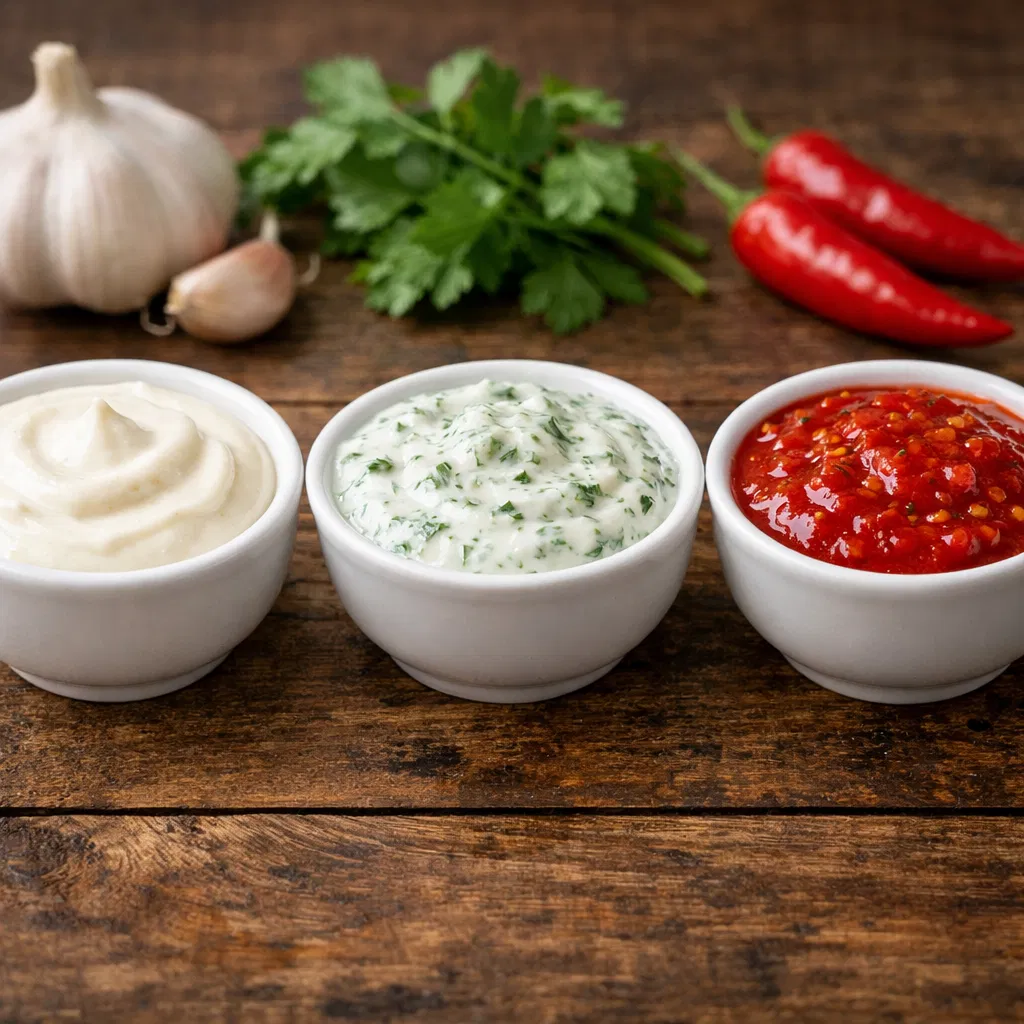
| Knoblauchsoße (Garlic Sauce) | Mayonnaise, Plain Yogurt, Fresh Garlic, Lemon Juice, Salt, Pepper | Creamy, sharp, and intensely garlicky. The most popular sauce, offering a cooling contrast to the warm meat. |
| Kräutersoße (Herb Sauce) | Plain Yogurt, Fresh Dill, Parsley, Chives, Sugar, Salt, Pepper | Fresh, cooling, and aromatic with a slight sweetness. Perfect for those who prefer a milder, garden-fresh flavor. |
| Scharfe Soße (Spicy Sauce) | Tomato Paste, Chili Flakes (Pul Biber), Red Wine Vinegar, Minced Red Onion, Garlic, Olive Oil, Sugar, Salt | Tangy, bold, and builds heat. This vibrant red sauce adds a crucial kick and depth of flavor. Often made with a base of Turkish Acili Ezme. |
Fresh Salad Components Table
| Amount | Unit | Name | Notes |
| 1/2 | head | Red Cabbage | Thinly sliced and lightly massaged with lemon juice and salt for tenderness and a slight tang. |
| 1 | head | Iceberg Lettuce | Shredded for a crisp, refreshing crunch. |
| 1 | large | Tomato | Diced or thinly sliced. |
| 1 | large | Cucumber | Thinly sliced or diced. |
| 1/2 | large | Red Onion | Very thinly sliced for a sharp, fresh bite. |
| Optional | Feta Cheese | Crumbled or cubed for a salty, creamy addition. | |
| Optional | Pickled Chilies | For an extra layer of heat and acidity. |
Essential Kitchen Tools
You don’t need a vertical rotisserie to get that thinly sliced kebab texture. Here is how we do it at home, using common kitchen equipment to achieve professional results:
| Tool | Purpose |
| Food Processor | Crucial for emulsifying the meat into a smooth, cohesive paste, which allows for thin, uniform slices after baking. |
| Loaf Pan (9×5 inch) | To shape the meat mixture for even roasting and easy slicing. A standard bread loaf pan works perfectly. |
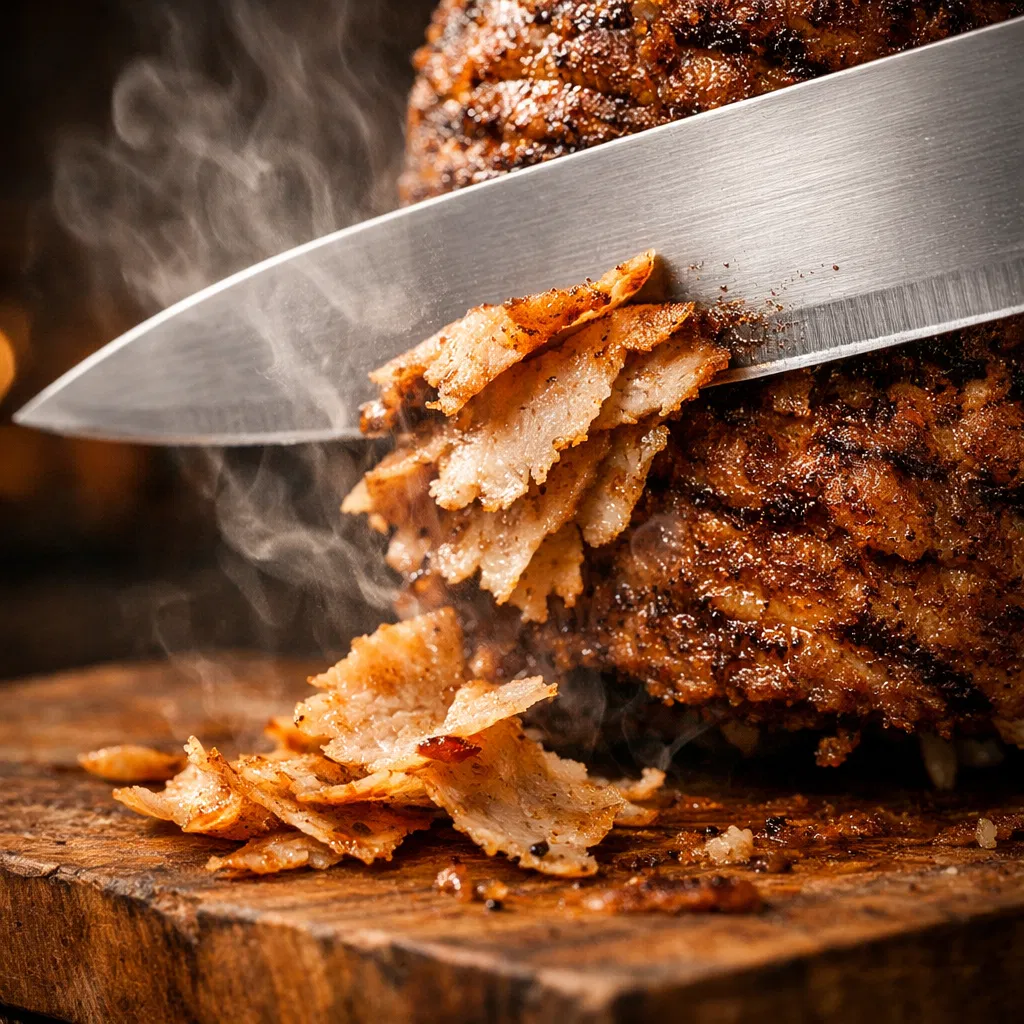
| Sharp Chef’s Knife | Absolutely essential for achieving those signature paper-thin meat shavings, mimicking the texture from a Döner spit. |
| Cast Iron Skillet | Ideal for giving the shaved meat a final “crisp” and char before serving, enhancing its flavor and texture. |
| Panini Press or Grill Pan | Optional, but highly recommended for toasting the filled bread pockets. It seals the Döner and adds a delightful crunch to the bread. |
| Large Mixing Bowls | For preparing the meat marinade, mixing sauces, and tossing salads. |
| Whisk | For smoothly combining sauce ingredients. |
| Measuring Cups & Spoons | For accurate ingredient proportions, ensuring consistent flavor. |
| Aluminum Foil | Crucial for wrapping the finished Döner, keeping it warm, and making it easier to eat without spills. |
The Secret to the Perfect Döner: The “Loaf” Method
The biggest challenge at home is replicating the texture of meat shaved from a vertical spit. The secret is to process the meat into a fine paste (emulsification) and bake it as a dense loaf. This technique, often used by home cooks and even some smaller Döner shops, allows you to create a compact, flavorful meat block that can be thinly sliced. Once cooled, you can shave it into thin strips that look and taste exactly like the real deal, complete with those slightly crispy edges.
Pro Chef Tip: The “Double Toast” for Perfect Bread
In Germany, the bread is often toasted twice for optimal texture and warmth. First, the empty bread pocket (Fladenbrot) is lightly toasted until crisp and warm. Then, after filling it generously with meat, salad, and sauces, it is pressed again in a panini grill or a hot skillet. This “double toast” ensures the bread stays sturdy, doesn’t get soggy from the sauces, and develops a delightful golden-brown crust, enhancing the overall eating experience.
Directions: How to Build Your Authentic German Döner Kebab (Step-by-Step)
This is the main event. Follow these detailed, step-by-step instructions to ensure your Döner is structurally sound, packed with flavor, and assembled like a professional.
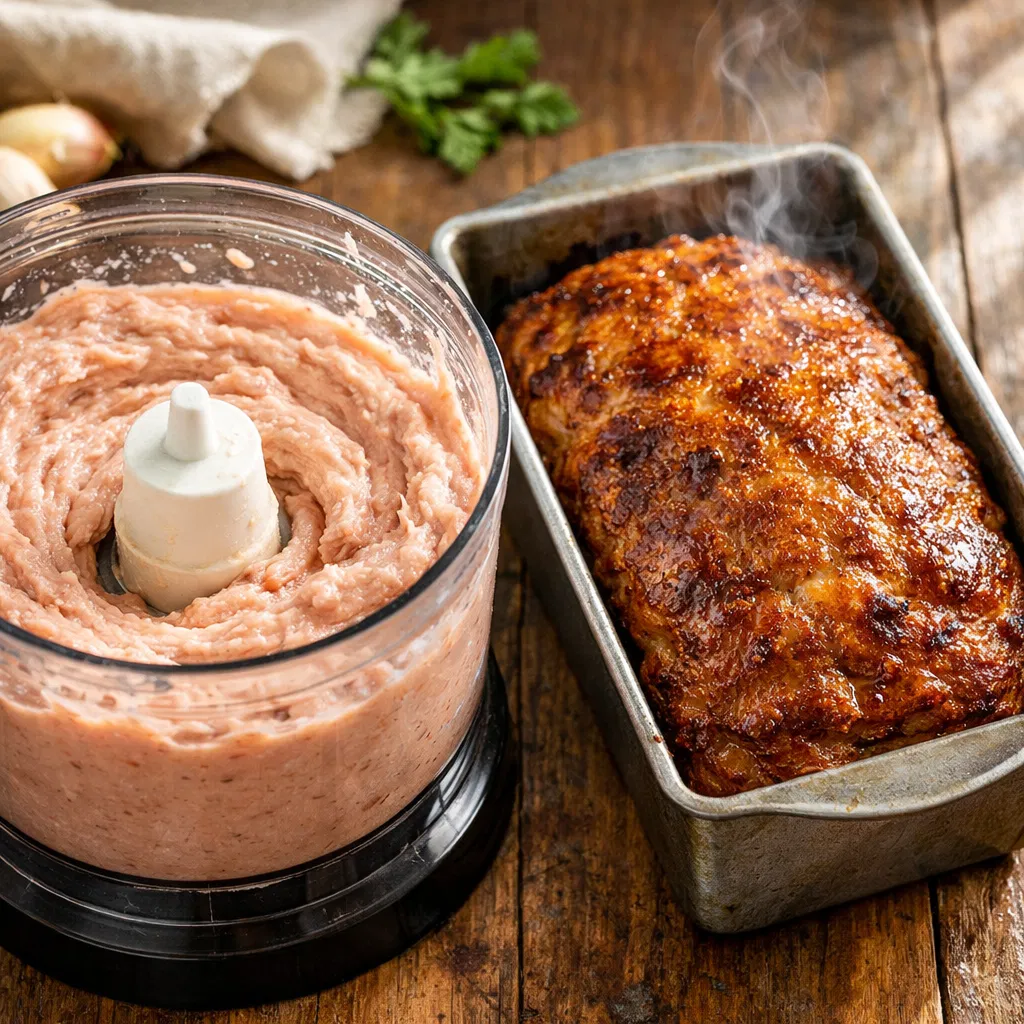
Step 1: Prepare the Döner Meat Loaf (The Heart of Your Kebab)
- Preheat Oven & Prepare Pan: Preheat your oven to 350°F (175°C). Lightly grease a 9×5 inch loaf pan.
- Combine Meat & Spices: In a large food processor, combine the ground beef/lamb mixture, plain yogurt, ground cumin, dried oregano, Pul Biber, garlic powder, onion powder, salt, and black pepper.
- Emulsify Thoroughly: Process the mixture on high speed for 3-5 minutes, scraping down the sides as needed. The goal is to create a very smooth, almost paste-like consistency. This emulsification is key to achieving the fine, sliceable texture of Döner meat.
- Shape & Bake: Press the emulsified meat mixture very firmly into the prepared loaf pan, ensuring there are no air pockets. Cover the pan tightly with aluminum foil. Bake for 45-50 minutes, or until the internal temperature reaches 160°F (71°C) when checked with a meat thermometer.
- Cool & Chill: Remove from the oven and let the meat loaf cool completely in the pan. For best slicing results, refrigerate the loaf for at least 2-3 hours, or preferably overnight. This firms up the meat, making it easier to shave thinly.
- Shave & Crisp: Once chilled, remove the meat loaf from the pan. Using a very sharp chef’s knife or a mandoline slicer, shave off the thinnest slices possible. Heat a cast iron skillet over medium-high heat with a teaspoon of olive oil. Quickly sear the shaved meat slices for 1-2 minutes, tossing frequently, until they are slightly crispy and heated through. Set aside.
Step 2: Master the Trio of Authentic German Döner Kebab Sauces
Prepare these sauces while the meat loaf is baking or chilling. They can be made a day in advance and stored in the refrigerator.
- Knoblauchsoße (Garlic Sauce): In a small bowl, whisk together 1/2 cup mayonnaise, 1/2 cup plain yogurt, 3-4 cloves of minced fresh garlic (or 1 tsp garlic powder), 1 tablespoon fresh lemon juice, a pinch of salt, and black pepper to taste. Mix well and refrigerate for at least 30 minutes to allow flavors to meld.
- Kräutersoße (Herb Sauce): In another small bowl, combine 1 cup plain yogurt, 2 tablespoons finely chopped fresh dill, 2 tablespoons finely chopped fresh parsley, 1 tablespoon finely chopped chives, 1 teaspoon sugar, a pinch of salt, and black pepper. Stir until well combined and refrigerate.
- Scharfe Soße (Spicy Sauce): In a third small bowl, whisk together 2 tablespoons tomato paste, 1-2 teaspoons Pul Biber (or other chili flakes, to taste), 1 tablespoon red wine vinegar, 1 tablespoon finely minced red onion, 1 clove minced garlic, 1 teaspoon olive oil, 1/2 teaspoon sugar, and a pinch of salt. Adjust chili flakes for desired heat. Refrigerate.
Step 3: Prepare the Fresh Salad Components
- Red Cabbage: Thinly slice 1/2 head of red cabbage. Place in a bowl, sprinkle with 1/2 teaspoon salt and 1 tablespoon lemon juice. Massage with your hands for 2 minutes until slightly softened. Set aside.
- Other Vegetables: Shred the iceberg lettuce, dice or slice the tomato and cucumber, and thinly slice the red onion. Keep all vegetables separate and chilled until assembly.
Step 4: The Döner Assembly Line (Building Your Kebab)
This is where all your hard work comes together. Set up an assembly line with your warm meat, sauces, salad components, and toasted bread.

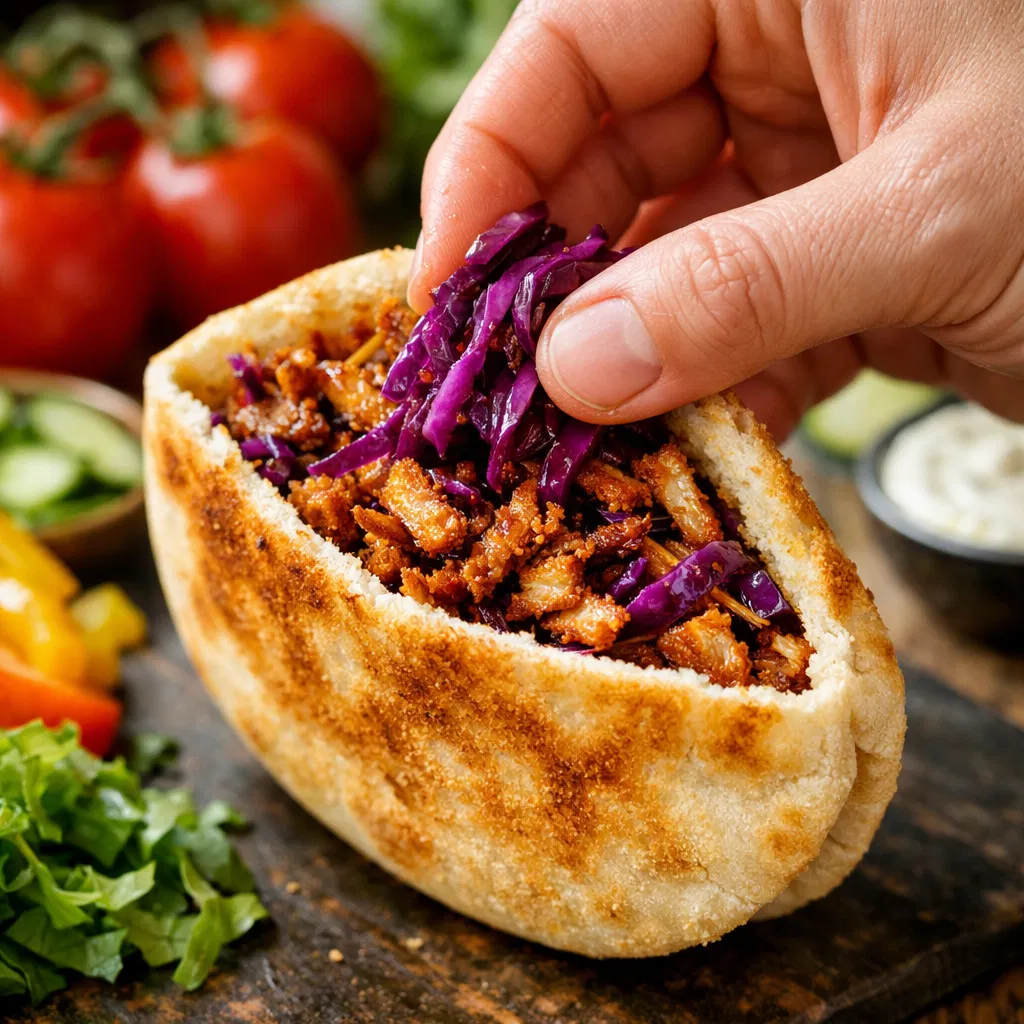
- Prepare the Bread: Take a large Fladenbrot. Cut it into quarters and then carefully slice a pocket into each piece. Lightly toast the bread quarters in a dry skillet, oven, or toaster until warm and slightly crisp. This is the first toast.
- Sauce the Pocket: Open the toasted bread pocket and spread a generous layer of your chosen sauce (or a combination of all three!) inside the pocket. Ensure the sauce coats the inside walls.
- Layer the Meat: Stuff a heavy handful of the crispy, shaved Döner meat into the bottom of the bread pocket.
- Add the Salad: Layer in the prepared red cabbage, shredded lettuce, diced tomatoes, sliced cucumbers, and thinly sliced red onions. If using, add crumbled feta cheese or pickled chilies.
- Final Sauce Drizzle: Drizzle a little more of your favorite sauce over the top of the fillings.
- The Second Toast (Optional but Recommended): If you have a panini press or grill pan, gently press the filled Döner Kebab for 1-2 minutes until the bread is golden brown and the fillings are heated through. This seals the Döner and adds extra crunch.
Expert Tips for Döner Success
- The Power of Emulsification: Do not skip the food processor step for the meat. It’s what gives the Döner its unique, finely textured, and sliceable quality, preventing it from crumbling like regular ground meat.
- Chill the Meat Loaf: Chilling the cooked meat loaf makes a significant difference in how thinly and cleanly you can slice it. Patience here pays off!
- Balance is Key: A great Döner is about the harmonious balance of flavors and textures. Ensure you have enough meat, fresh salad, and ample sauce in every bite.
- Don’t Overfill: While tempting, overfilling can lead to a messy, difficult-to-eat Döner. Leave enough room to comfortably close and wrap the bread.
- The Foil Wrap is Your Friend: Just like in Germany, wrapping the bottom half of your finished Döner in aluminum foil is crucial. It provides structural integrity, keeps the Döner warm, and prevents drips, making it much easier to enjoy on the go.
How to Store and Reheat Döner Components
While best enjoyed fresh, individual components of the German Döner Kebab can be prepared in advance and stored.
Storage
- Meat Loaf: The cooked and chilled Döner meat loaf can be stored, unsliced, in an airtight container in the refrigerator for up to 3-4 days. Once sliced and seared, consume within 1-2 days.
- Sauces: All three sauces can be made 2-3 days in advance and stored in separate airtight containers in the refrigerator.
- Salad Components: Prepared vegetables should be stored separately in airtight containers in the refrigerator for up to 2-3 days. Dress the cabbage just before serving.
Freezing
- Meat Loaf: The cooked Döner meat loaf (before slicing) freezes exceptionally well. Wrap it tightly in plastic wrap, then in aluminum foil, and freeze for up to 2 months. Thaw overnight in the refrigerator before slicing and searing.
Reheating
- Meat: Reheat shaved and seared meat in a hot skillet for a few minutes until warmed through and slightly crispy. Avoid microwaving, as it can make the meat rubbery.
- Bread: Re-toast Fladenbrot in a toaster, oven, or skillet until warm and crisp.
Nutritional Information In German Döner Kebab
Here is a general nutritional estimate per serving (based on one large German Döner Kebab with mixed meat and all three sauces). These numbers will vary significantly depending on the exact amounts of meat, sauces, and bread used.
| Nutrient | Amount (approx.) |
| Calories | 700-900 |
| Protein | 35-45g |
| Fat | 40-55g |
| Saturated Fat | 15-20g |
| Carbohydrates | 50-70g |
| Fiber | 5-8g |
| Sodium | 1000-1500mg |
FAQs: Your German Döner Kebab Questions Answered
Q: What is the main difference between Turkish Döner and German Döner Kebab?
A: The primary difference lies in the presentation and sauces. Turkish Döner is often served in a thinner pita or lavash bread with fewer sauces, focusing more on the meat. German Döner, popularized in Berlin, uses a thicker Fladenbrot (flatbread), a wider variety of fresh salads, and the characteristic trio of creamy sauces (garlic, herb, spicy).
Q: Can I use chicken instead of beef/lamb for the Döner meat?
A: Absolutely! For a chicken Döner, use boneless, skinless chicken thighs. Marinate them in yogurt and the same spice blend, then process and bake as directed. Chicken Döner is also very popular in Germany.
Q: Where can I buy Fladenbrot?
A: Fladenbrot (Turkish flatbread) can typically be found in Middle Eastern, Turkish, or larger international grocery stores. If you can’t find it, a large, thick pita bread or even a soft focaccia-style bread can be a decent substitute, though the texture will be slightly different.
Q: How do I get the meat really thin, like from a Döner shop?
A: The key is to chill the cooked meat loaf thoroughly (preferably overnight) to make it firm. Then, use a very sharp chef’s knife and slice against the grain as thinly as possible. A mandoline slicer can also help achieve ultra-thin slices, but exercise caution.
Q: Can I make the sauces in advance?
A: Yes, all three sauces can be prepared 2-3 days in advance and stored in separate airtight containers in the refrigerator. In fact, their flavors often improve after a day or two.
Q: What are some other popular toppings for German Döner?
A: Beyond the classic salad, some Döner shops offer grilled vegetables (like bell peppers or zucchini), pickled red onions, or even a sprinkle of fresh feta cheese. Feel free to customize!
Conclusion
The German Döner Kebab is a testament to how street food can bring cultures together to create something truly extraordinary. By following this guide, you are not just making a sandwich; you are recreating a piece of Berlin’s culinary soul.
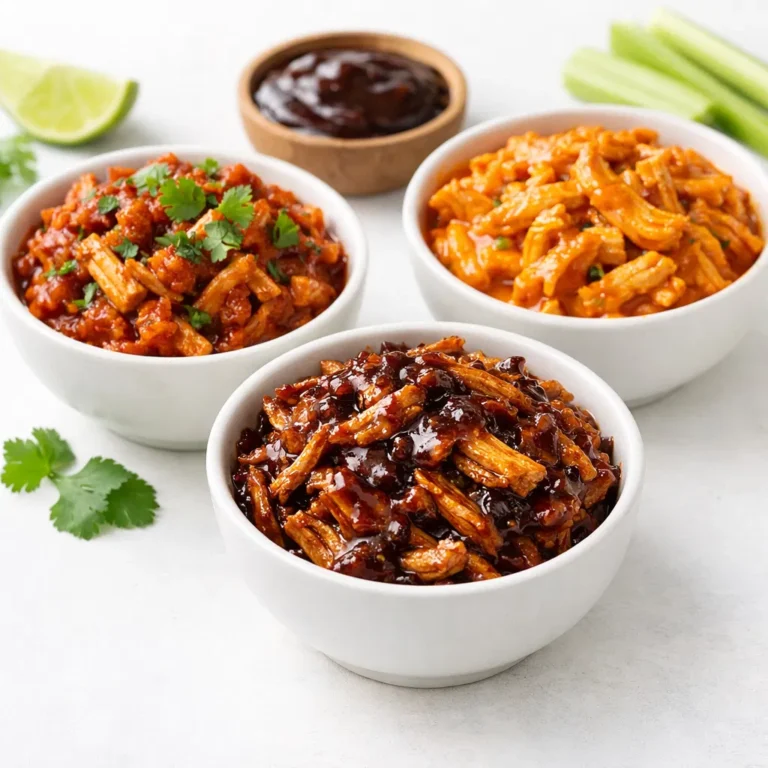
I hope you enjoy this journey into the world of Döner. Once you take that first crunchy, saucy, savory bite, you will understand why this is the king of German street food. Also Check this Mexician Shredded CHicken Recipes
Guten Appetit!
— Tim Cavin
One Comment